

Most solar-only households sell their excess power for 4–6p per unit, only to buy it back a few hours later at roughly 24p. A home battery closes that gap; you store what you generate and use it when it’s most valuable.
Battery storage isn’t just for homes with solar panels either. Even without a panel on your roof, a smart battery system can charge itself from the grid during cheap overnight rates (often as low as 7p per kWh) and power your home through the expensive peak hours. And right now, with 0% VAT on all residential battery systems, there’s never been a better time to invest.
In this guide, we look at three of the best solar battery storage systems available in the UK: the Tesla Powerwall 3, the GivEnergy All in One 2, and the Sigenergy SigenStor. We’ll walk you through how each one works, what makes them different, and, most importantly, how to figure out which one is right for your home.
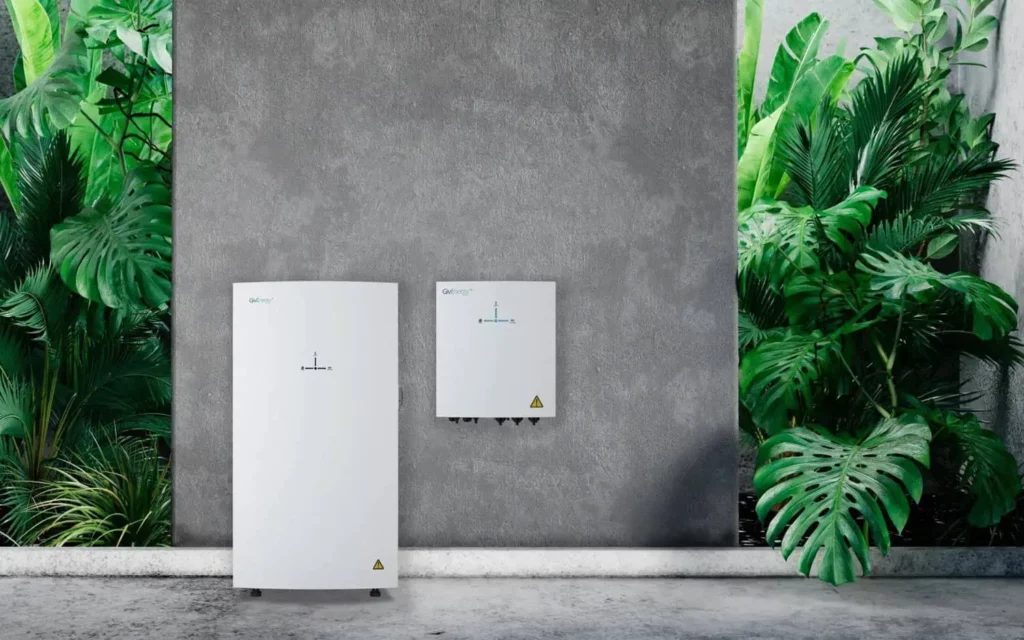
How Do Solar Batteries Actually Work?
In simple terms, a home battery stores electrical energy and releases it when you need it. Pair one with solar panels, and it captures the generation your home can’t use in real time, saving it for the evening. Use it without solar, it charges when electricity prices are low and supplies you with power when they’re high.
Most modern home batteries use lithium-ion chemistry and, specifically, a variant called lithium iron phosphate (LFP). It’s worth knowing a little about why that matters.
The Battery Types You’ll Come Across
Lead-acid batteries were the original home storage technology. Cheap but heavy, short-lived (roughly 500 full cycles), and nowhere near efficient enough for a modern household. You won’t find any of the systems we’re recommending here using lead-acid.
Flow batteries are promising for large-scale industrial storage but not yet practical for residential use. They’re large, complex, and expensive; watch this space for the future, but they’re not relevant to a home installation today.
Lithium-ion (LFP) is the technology all three of our featured batteries use. It’s safe, compact, efficient (typically 95–97% round trip), and designed to last for thousands of charge cycles, roughly 15 to 20 years of daily use. The LFP variant specifically runs cooler than older nickel manganese cobalt (NMC) lithium batteries, which makes it significantly safer and better suited to indoor installation.
What to Look for When Choosing a Solar Battery
Before we get into the specific models, it’s worth understanding what the numbers actually mean, because not all battery specs are as straightforward as they look.
Usable Capacity (kWh)
This is the most quoted figure and the most important one. A battery might have a headline capacity of 15 kWh, but only 13.5 kWh of that is usable; the rest is kept in reserve to protect the cells. The average UK home uses between 8 and 10 kWh per day, so a good battery gives you one full day’s coverage with some headroom.
Power Output (kW)
Capacity tells you how much energy a battery holds. Power output tells you how fast it can release it. If you want to run a heat pump, an oven, an EV charger, and the rest of your home simultaneously from stored energy, you need a battery that can deliver enough power at once. This is where the Tesla Powerwall 3 stands out significantly, more on that shortly.
Round-Trip Efficiency
Put simply, if you store 10 kWh and get 9.75 kWh back out, that’s 97.5% round-trip efficiency. Higher efficiency means less wasted energy. At current electricity prices, even a few percentage points of efficiency difference add up to meaningful savings over a 10-year lifespan.
Depth of Discharge (DoD)
Some batteries reserve a portion of their capacity permanently to protect longevity. A 100% DoD battery (like the Powerwall 3) means you’re using every kilowatt-hour you’re paying for. Most good modern batteries sit between 90% and 100%.
Warranty and Lifespan
Look for a minimum 10-year warranty. The GivEnergy All in One 2 leads the pack here with 12 years. Most warranties also guarantee that the battery will retain at least 70–80% of its original capacity at the end of the warranty term. A properly installed lithium battery should then continue to work well for many years beyond that.
Safety Certifications
Check for UN38.3, IEC 62619, and UL 9540A certification. Any installer worth their salt will be able to show you these. At Wired by Jessops, every installation is fully documented for compliance; it’s part of what our MCS certification requires.
Scalability
If you’re planning to add an EV charger or heat pump in the next few years, a modular battery system that lets you add capacity later is worth considering. The Sigenergy SigenStor and GivEnergy All in One 2 both offer this, and the SigenStor goes further, scaling all the way up to 54 kWh.
Cost vs. Payback
Installed costs typically range from £5,500 to £12,000 depending on brand and size. At current energy prices, most homeowners see payback within 5 to 8 years, with 15 to 20 years of savings to follow. When you factor in 0% VAT and rising energy costs, the math gets more compelling every year.
Choosing the Right Battery for You
There is no single ‘best’ battery for every home. The right system depends on your energy usage, your existing setup, your budget, whether you have solar, and what you’re planning to add in the future. That’s why we visit every customer in person before we recommend anything. A proper site assessment is the difference between a system that heavily reduces your bills and one that underperforms.
The Best Solar Batteries in the UK Right Now
Here’s our honest assessment of the three standout systems we recommend. We’re approved installers for all three manufacturers, which means we have the training, the direct technical support, and the experience to get the most out of each one.
| Specification | Tesla Powerwall 3 | GivEnergy All in One 2 | Sigenergy SigenStor |
| Usable Capacity | 13.5 kWh | 13.5 kWh | 5.84–8.76 kWh per module (up to 54 kWh) |
| Continuous Power | 11.5 kW | 6 kW | 3–12 kW (inverter-dependent) |
| Round-Trip Efficiency | 97.5% | ~95% | ~97% |
| Depth of Discharge | 100% | ~95% | 100% |
| Warranty | 10 years | 12 years | 10 years |
| Built-in Inverter | Yes | Yes | Yes (5-in-1 system) |
| Whole-Home Backup | Yes (automatic, 0ms) | Optional | Yes (0ms switchover) |
| Smart App | Tesla app | MyGivEnergy | mySigen app |
| EV DC Charging | No | No | Optional (25kW DC module) |
| 0% VAT | Yes | Yes | Yes |
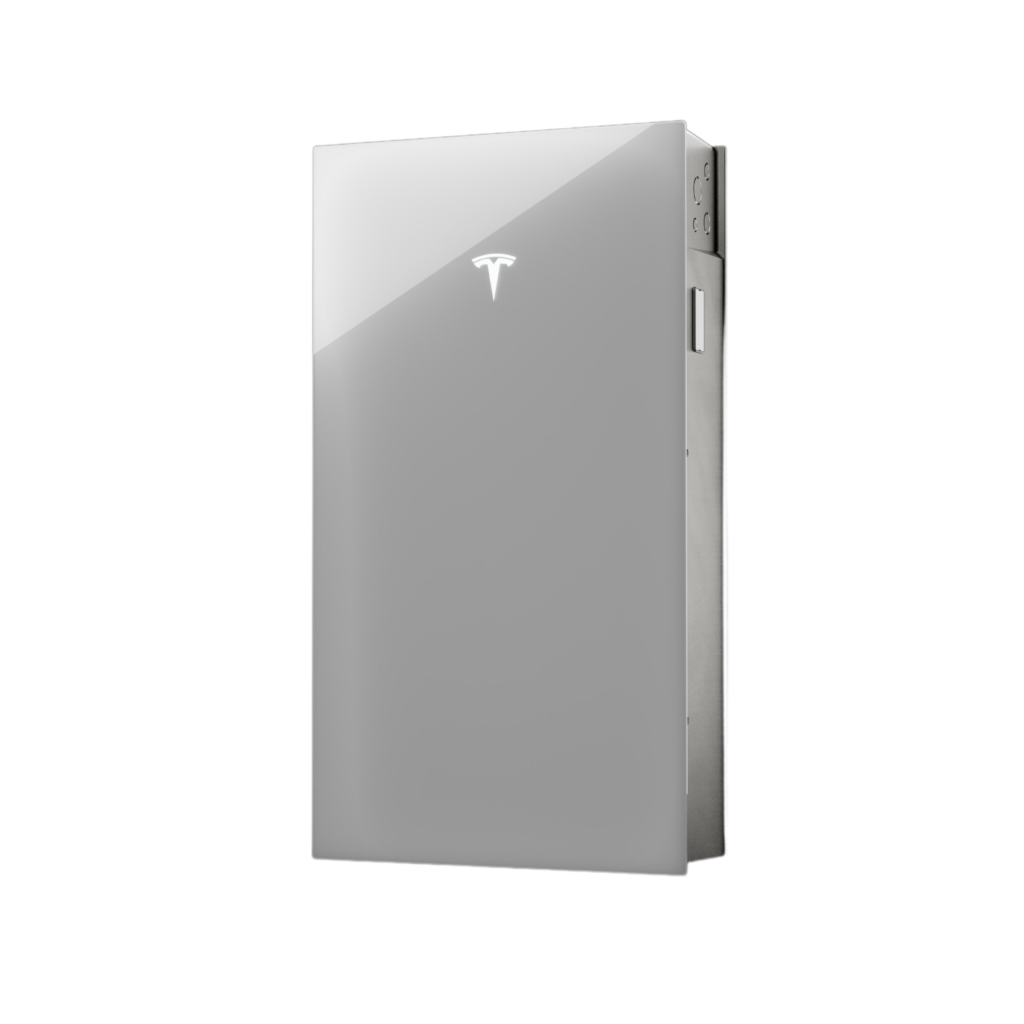
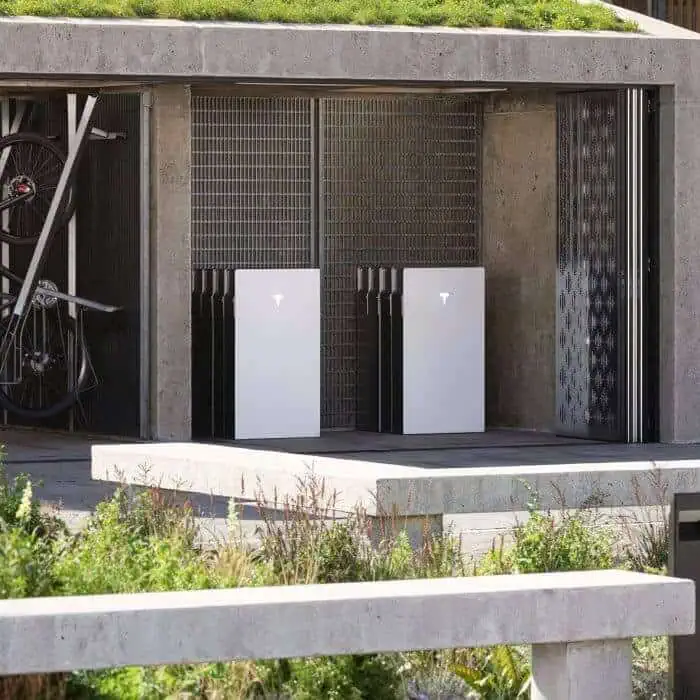
Tesla Powerwall 3: Premium Performance and Whole-Home Backup
- 13.5 kWh usable
- 97.5% efficiency
- 11.5 kW continuous output
- 10-year warranty
- Whole-home backup included
Best for: Families wanting premium technology, maximum power output, and genuine whole-home energy security.
The Powerwall 3 is Tesla’s most capable home battery yet. At 97.5% round-trip efficiency, it’s the most efficient residential battery on the market, meaning virtually none of the energy you put in is wasted. But the headline spec that really sets it apart is its 11.5 kW continuous power output.
A typical home draws about 2–4 kW at any given moment. The Powerwall 3 can deliver nearly three times that. Run the oven, the EV charger, the heat pump, and the rest of your home simultaneously from stored energy.
The built-in solar inverter is another big practical advantage. Rather than having a separate solar inverter and battery inverter cluttering your garage wall, the Powerwall 3 handles both in a single unit. It supports up to 20 solar panels directly, making it an ideal choice for new installations or full system upgrades.
Backup power that actually works
When the grid goes down, the Powerwall 3 switches to backup mode in under 20 milliseconds, faster than your devices will even notice. For rural properties this is the kind of reliability that makes a real difference.
Stormwatch is another feature worth mentioning. The Tesla app monitors weather data and automatically pre-charges the battery before storms are forecast, so you go into a potential outage with a full battery.
Smart tariff integration
As Octopus Trusted Partners, Tesla have built direct API integration with tariffs like Octopus Intelligent and Octopus Agile. The Powerwall 3 can automatically schedule its charging and discharging around your specific tariff.
For homes that want the best technology, maximum output, and the peace of mind of true whole-home backup, the Powerwall 3 is hard to beat.
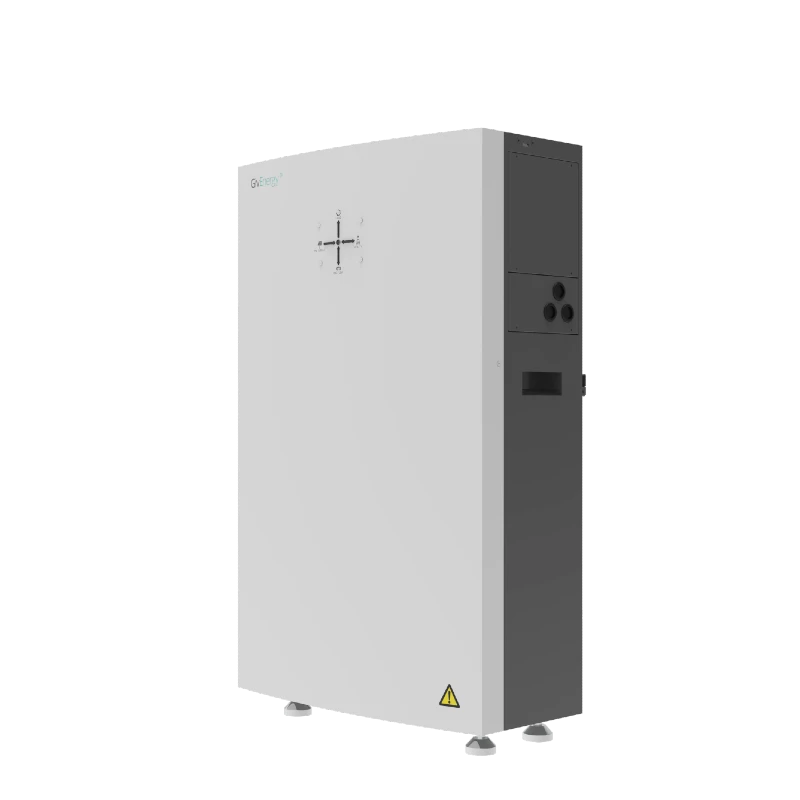
GivEnergy All in One 2: British Engineering and the Best Warranty on the Market
- 13.5 kWh usable
- ~95% efficiency
- 6 kW continuous output
- 12-year warranty
- British-engineered
Best for: Homeowners wanting proven British reliability, maximum warranty length, and strong value for money.
If the Tesla Powerwall 3 is the premium choice, the GivEnergy All in One 2 is the value champion. This is British-engineered battery storage designed specifically for the UK market, backed by UK-based technical support, and covered by a 12-year warranty that beats everything else in this comparison.
Truly all-in-one
The GivEnergy All in One 2 integrates the battery management system, inverter, and storage into a single unit. Fewer components mean a cleaner installation, fewer potential failure points, and a neater result on your garage wall. It’s compatible with three-phase systems too, which is relevant for some larger properties and commercial premises.
At 6 kW continuous output, it won’t match the Powerwall 3 for raw power, but for the vast majority of homes, it’s more than sufficient. Most domestic loads; heating, cooking, lighting, and appliances, sit well within that range.
Scalability for the future
The GivEnergy All in One 2’s modular architecture means you can start with one unit and add capacity later when you install an EV charger or upgrade to a heat pump. Rather than committing to a system that may not be quite big enough in five years, you build up as your energy needs grow.
The MyGivEnergy portal gives you detailed control over scheduling; you can configure exactly when the battery charges and discharges, set time-of-use windows, and monitor performance in real time. It integrates with Octopus and other major tariff providers, though the setup is more manual than the Powerwall 3’s automated approach.
For homeowners focused on value, reliability, and a warranty that goes the distance, the GivEnergy All in One 2 is consistently our most recommended mid-market system.
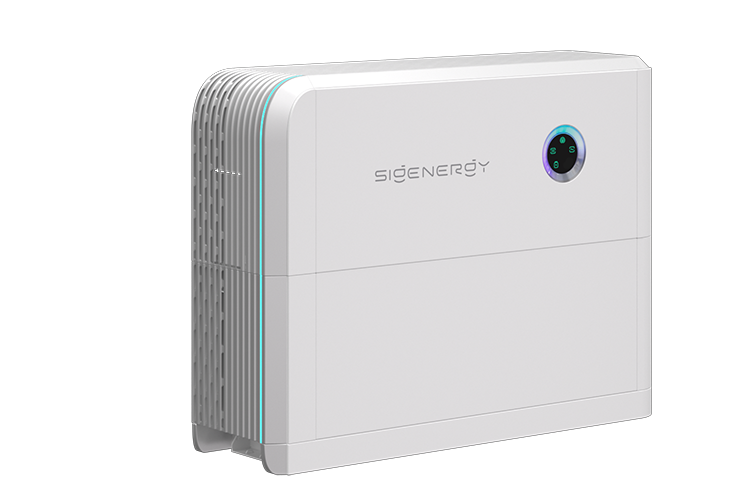
Sigenergy SigenStor: The Intelligent 5-in-1 System for the Modern Home
- 5.84–8.76 kWh per module (scalable to 54 kWh)
- ~97% efficiency
- 3–12 kW output (inverter-dependent)
- 100% depth of discharge
- 10-year warranty
- Built-in EV DC charging option
Best for: Homes wanting a future-proof, truly scalable 5-in-1 system with the option to integrate DC EV charging and AI-optimised energy management.
The Sigenergy SigenStor is one of the most ambitious home energy systems currently available in the UK. The SigenStor is a genuinely integrated 5-in-1 platform, combining a solar inverter, battery power conversion system, battery packs, energy management system, and an optional EV DC charging module into a single cohesive system.
That level of integration translates into a cleaner installation, fewer separate components to manage, and a system that can intelligently coordinate solar generation, storage, home consumption, and EV charging as a single optimised whole.
Modular and massively scalable
The SigenStor is built around stackable battery modules, currently available in 6 kWh (5.84 kWh usable) and 10 kWh (8.76 kWh usable) configurations. A single stack can hold up to six modules, and stacks can be paralleled, meaning the total system can scale from a modest 6 kWh starter installation all the way up to 54 kWh for larger properties or higher-demand households.
Crucially, a DC-DC optimiser built into every battery pack means you can mix and match modules of different capacities and ages without the performance degradation that typically comes from combining mismatched batteries. This makes future expansion genuinely straightforward.
DC EV charging: a genuine differentiator
One feature that genuinely sets the SigenStor apart is its optional 25 kW bidirectional DC charging module. Where most home EV chargers are limited to 7 kW AC, the SigenStor can supply DC power directly from the battery to your vehicle, more than three times faster. It also supports Vehicle-to-Home (V2H) capability, meaning your EV battery can supply power back to your house during an outage or peak pricing period.
Backup power and 0ms switchover
Like the Powerwall 3, the SigenStor provides seamless backup power with a 0ms switchover time when the grid fails. You can set a custom reserve percentage to ensure a portion of the battery is always held back for outage protection.
Smart tariff integration and AI optimisation
The mySigen app handles all scheduling and monitoring, with direct integration with dynamic tariffs including Octopus Agile and Octopus Intelligent. The system uses AI-assisted optimisation to automatically schedule charging and discharging around price fluctuations. For fixed tariffs, you can input your own rates for the AI to work around.
For homes that want a genuinely future-proof system in a single integrated platform, the SigenStor is a compelling choice.
Battery Scheduling and Smart Tariffs: Making Your Battery Work Harder
The real savings come from smart scheduling, understanding when electricity is cheap and when it’s expensive, and programming your battery to exploit that difference every single day.
Understanding Time-of-Use Tariffs
Traditional electricity tariffs charge a flat rate regardless of when you use power. Time-of-use (TOU) tariffs are different. Prices vary by time of day, reflecting actual demand on the grid. In practice that means:
- Overnight rates (roughly 11pm–6am): as low as 7–9p per kWh on tariffs like Octopus Flux
- Off-peak daytime: 15–20p per kWh
- Peak evening rates (4–7pm): 24–28p per kWh on dynamic tariffs like Octopus Agile
A battery that charges at 2am at 8p/kWh and powers your home at 6pm when rates hit 26p/kWh is effectively buying energy at 8p and using it at a time when it would cost 26p. That difference, 18p per kWh, adds up to hundreds of pounds a year on a typical household’s consumption. And that’s before you factor in solar generation at all.
How Each Battery Handles Scheduling
Tesla Powerwall 3
Tesla’s integration with Octopus is the slickest of the three. Through the Powerwall app, the battery communicates directly with your tariff; on Octopus Intelligent or Agile, it will automatically schedule charging and discharging around price fluctuations without you doing anything once it’s set up. Stormwatch adds another layer, pre-charging before adverse weather. For homeowners who want a set-and-forget experience, the Powerwall 3 is hard to beat.
GivEnergy All in One 2
The MyGivEnergy portal gives you granular control. You can set specific charging and discharging windows, target states of charge, and configure it around your tariff manually. It integrates with Octopus and other providers, some via direct connection, others through third-party platforms. It takes a little more setup than the Powerwall 3 but offers detailed customisation for those who want it.
Sigenergy SigenStor
The mySigen app handles scheduling with direct API integration to dynamic tariffs including Octopus Agile and Octopus Intelligent. The AI-powered system automatically syncs with utility pricing, charging during cheap windows and discharging when prices peak, with no manual input needed once configured. For fixed tariffs, you input your rates and the AI does the rest.
The Smart Export Guarantee: Getting Paid for Excess
If you have solar panels and generate more than you use or store, you can export the surplus to the grid and earn money through the Smart Export Guarantee (SEG). Rates vary by supplier, typically 4–15p per kWh. Some batteries are designed to hold charge for export during higher-price windows, worth discussing with your installer if maximising export income is a priority.
What Installation Actually Looks Like
The difference between a battery storage system that genuinely delivers on its promise and one that underperforms, or worse, causes problems, almost always comes down to the quality of the installation.
At Wired by Jessops, Joe personally visits every customer before we recommend a system. That visit covers your consumer unit (to check it can handle the installation or identify if an upgrade is needed), your available space, your energy usage patterns, your existing solar system if you have one, and your plans for the future, EV charger, heat pump, or anything that might affect battery sizing.
A phone quote can’t do any of that. It’s why we don’t offer them.
Solar Battery FAQs
Do I need solar panels to get a battery storage system?
No, and this surprises many people. A battery system can charge from the grid during cheap overnight rates and power your home during expensive peak hours. Without solar, typical savings are 40–60% on electricity bills. Add solar panels, and that often rises to 70–85%.
Which is better: Tesla Powerwall 3, GivEnergy All in One 2, or Sigenergy SigenStor?
It depends on what your home needs. The Powerwall 3 leads on peak power output and the most automated tariff integration. The GivEnergy All in One 2 offers the best warranty (12 years) and the strongest value for money. The SigenStor is the choice for homeowners who want a genuinely future-proof system, especially those who want to integrate DC EV charging or need a highly scalable solution.
Can battery storage be added to my existing solar system?
Yes, in most cases. The GivEnergy All in One 2 and SigenStor are AC-coupled, meaning they connect to your existing solar system without replacing your current inverter. The Powerwall 3 includes its own inverter and may require a slightly different integration approach. During our site visit, we assess your current system and explain the best options for your setup.
Where can a home battery be installed?
Garages, utility rooms, and sheltered external walls are the most common locations. Loft installation is increasingly discouraged and in many cases prohibited under current fire safety guidance (BS EN IEC 62619). We’ll always find the right solution for your available space during the site visit.
Will battery storage affect my home insurance?
Most UK insurers accept professionally installed battery storage. You should notify your insurer and provide your MCS installation certificate. Some insurers have specific battery storage provisions; it’s worth checking your policy when you get quotes. Our installations are fully documented, which makes this process straightforward.
How long do home batteries last?
Modern LFP batteries are designed for 6,000–10,000+ charge cycles, roughly 15–20 years of daily use. Most warranties guarantee at least 70–80% capacity retention at the end of the warranty term. A well-maintained, properly installed battery will continue operating effectively for many years beyond the warranty period.
Ready to take control of your energy bills?
A well-sized battery typically pays back in 5–7 years and then continues to reduce your bills for another decade or more.
The Tesla Powerwall 3, GivEnergy All in One 2, and Sigenergy SigenStor are all excellent products. Each has a distinct set of strengths. Choosing between them isn’t a question of which is objectively ‘best’, but which is right for your home, your energy habits, and your plans for the future.
That question deserves a real conversation, at your property, with someone who understands both the technology and the specifics of your situation.
That’s what we do. And it’s why our customers consistently recommend us.
Book your free personal site visit today.